TERRA SAPIENS PODCAST
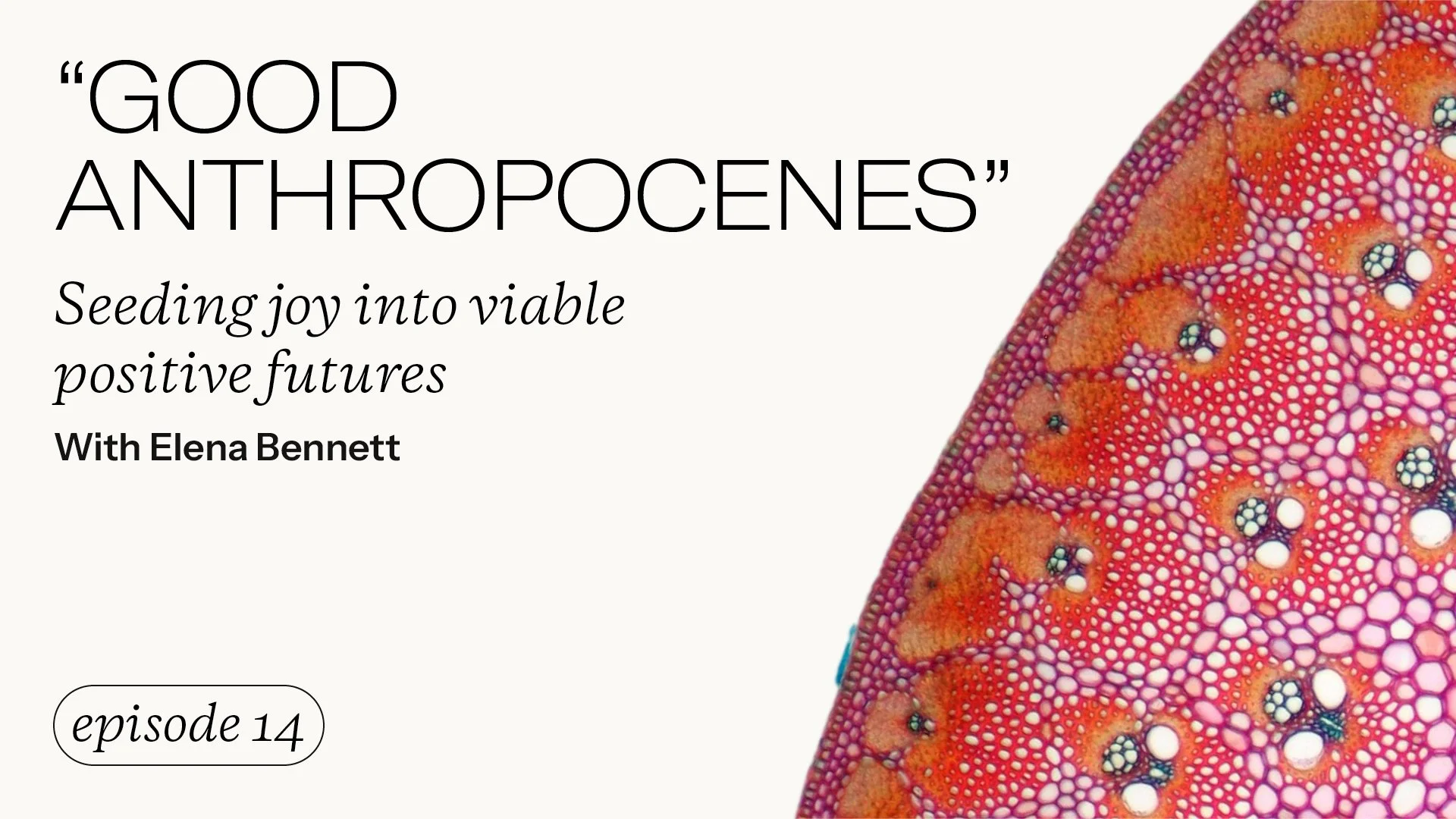
EPISODE 14
Ecologist and sustainability expert Dr. Elena Bennett speaks with Damian about imagining hopeful futures in the Anthropocene. They discuss the Seeds of Good Anthropocenes project, the power of transdisciplinary collaborations, and how artists and scientists can co-create compelling, solution-oriented narratives. Elena shares insights into systems thinking, positive tipping points, and the transformative role of joy in reimagining the world.
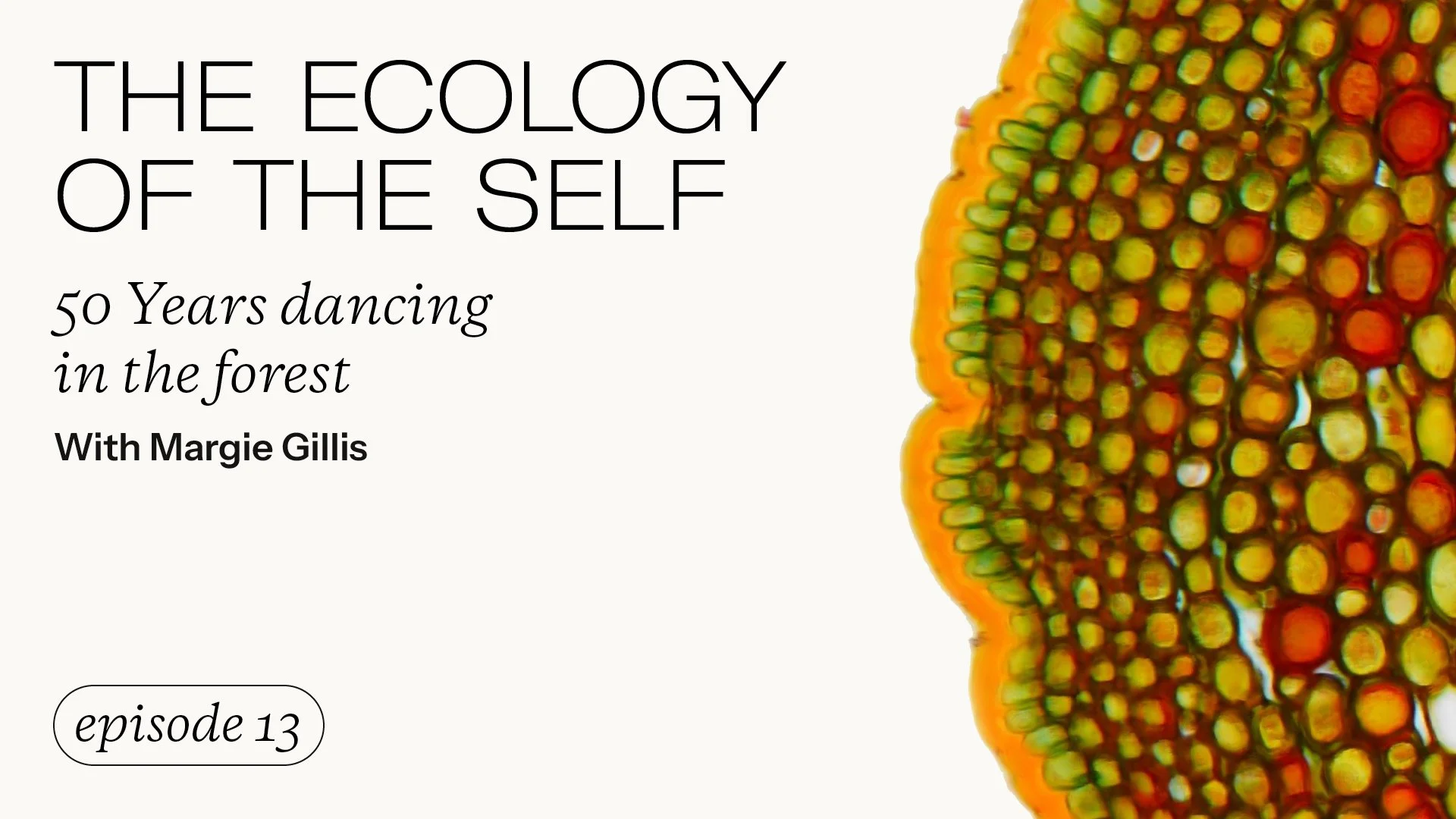
EPISODE 13
Legendary dancer Margie Gillis joins Damian to reflect on five decades of artistic exploration, feminine consciousness, and embodied wisdom. Together, they discuss the body as a vessel for knowledge, the interconnectedness of all life, and the political importance of joy. Margie shares profound insights on legacy, ritual, and the quiet power of presence in a world that often forgets to feel.
EPISODE 12
Poet, multidisciplinary artist and pedagogue, Alyssa Martens joins Damian to explore the intersection of climate grief, artistic expression, and the urgent need for cultural shifts in environmental storytelling. Drawing from her experience with the Arctic and her emotionally charged performances, Alyssa reflects on poetry’s power to make climate change feel personal and transformative. The conversation dives into the role of vulnerability, hope, and beauty in catalyzing action and emotional connection in a warming world.
EPISODE 11
Inuit photographer and activist Katherine Takpannie reflects on the connection between the female body, land, and Inuit knowledge systems. This powerful conversation covers themes of identity, motherhood, survival, and cultural sovereignty. Through her lens, Katherine captures the strength of Indigenous women and challenges colonial portrayals of the Arctic, offering a deeply personal and political perspective on reclaiming space and story.
EPISODE 10:
Artists Diana Leon and Paco Ziel of VIAS reflect on their cross-border dance practice rooted in decoloniality and cumbia as a living archive. They discuss the body as a site of resistance, memory, and regeneration, while tracing the spiritual and political lineage of Latin American rhythms. This episode celebrates embodied knowledge, collective joy, and how choreography becomes a language for radical care and change.
EPISODE 9:
Scholar and writer Catriona Sandilands talks with Damian about the intersections of queer theory, ecology, and feminist ethics. They explore how queering environmental thought opens up more inclusive and relational ways of living with the Earth. This episode is an invitation to rethink nature beyond binaries, embracing fluidity, interdependence, and joy in our connections with the more-than-human.
EPISODE 8
Conservation biologist Peter Soroye joins Damian to discuss the inseparable link between biodiversity loss and social inequality. Through examples from pollinator conservation to community-led projects, Peter emphasizes that protecting nature requires addressing systemic injustice. The episode offers a hopeful reminder that everyone has a role to play in building a future where ecological health and human well-being go hand in hand.

Episode 7
Multidisciplinary artist Ruby Singh joins Damian to explore the intersections of art, spirituality, myth, and decolonial practice. From Sikh teachings to West Coast Indigenous stories, Ruby shares how relationality and kinship shape his creative process, placing care and collaboration above product. The conversation dives into perfectionism, the Western art canon, and re-centering artistic value around empathy, community, and ecological connection. With projects like Polyphonic Garden and Kraken & Kin, Ruby imagines a “cathedral of creation” where all beings are interconnected, and art becomes a living act of solidarity.
Episode 6
Scientist Laura Pereira introduces the Nature Futures Framework, a tool designed to help communities imagine and co-create thriving futures for both people and nature. In conversation with Damian, she shares stories from her work across continents, emphasizing the value of narrative, creativity, and cross-disciplinary collaboration. This episode highlights how scientists and artists together can seed hopeful, actionable visions for a just ecological transition.
Episode 5
Caroline Nepton Hotte, Innu scholar from Mashteuiatsh and professor at UQAM, shares the five “Rs” of relational methodology—Respect, Reciprocity, Relation, Relevance, and Refusal—as an ethical guide for artists working with Indigenous communities. She discusses how Indigenous female artists reclaim cultural identity, resist colonial representations, and create spaces of visual sovereignty through decolonized aesthetics and digital practices. Rooted in her project Ashetatau (“to follow in someone’s footsteps”), the conversation offers vital insights into art within Indigenous worldviews.
Episode 4
Transdisciplinary artist and cultural mediator Claudia Chan Tak discusses the generative power of tenderness, heritage, and intergenerational memory in her creative work. Together with Damian, she explores how preserving intimate family narratives becomes a radical act of cultural resistance. The conversation illuminates how art can be a vessel for healing, joy, and the complexity of diasporic identities, especially in the face of erasure and environmental loss.
Episode 3
Ecologist Ciara Raudsepp joins Damian to explore the role of compassion, curiosity, and storytelling in conservation. Using vivid examples from her fieldwork, including the endangered blue slug, Ciara illustrates how emotional connection can motivate action for biodiversity. The conversation challenges purely data-driven environmentalism, advocating instead for an approach grounded in empathy, relationships, and cultural values.
Episode 2
Poet, artist, and educator Kama LaMackerel speaks with Damian about ancestrality as both an artistic and political practice. Drawing from their upbringing in Mauritius and their trans and queer experience, Kama reflects on reconnecting with ancestral wisdom through art, ritual, and relationship with land. They discuss decolonizing the self, resisting extractive narratives, and fostering kinship with the more-than-human world as acts of healing and liberation.
Episode 1
In this special opening episode, Damian is interviewed by close collaborator Mariette Raina. They unpack the vision behind Terra Sapiens, explore the Art for Impact framework, and discuss the intersections of social and ecological sustainability. Damian shares his personal journey as an artist for Impact, his motivations for shifting from critique to proposition, and why hopeful narratives and radical empathy are essential in building reachable utopias.