LESSONS FROM A BLUE MOMENT
Project Overview
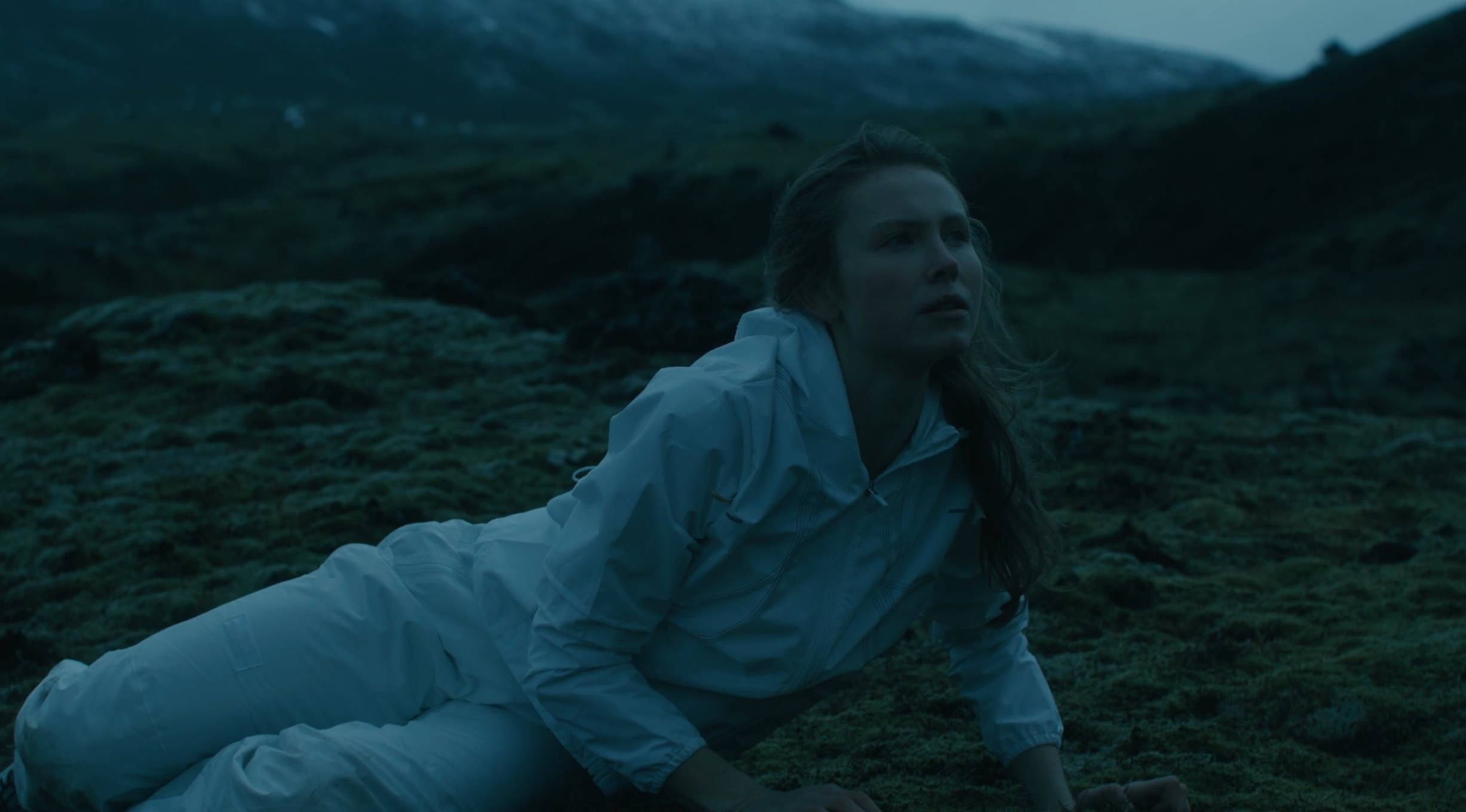
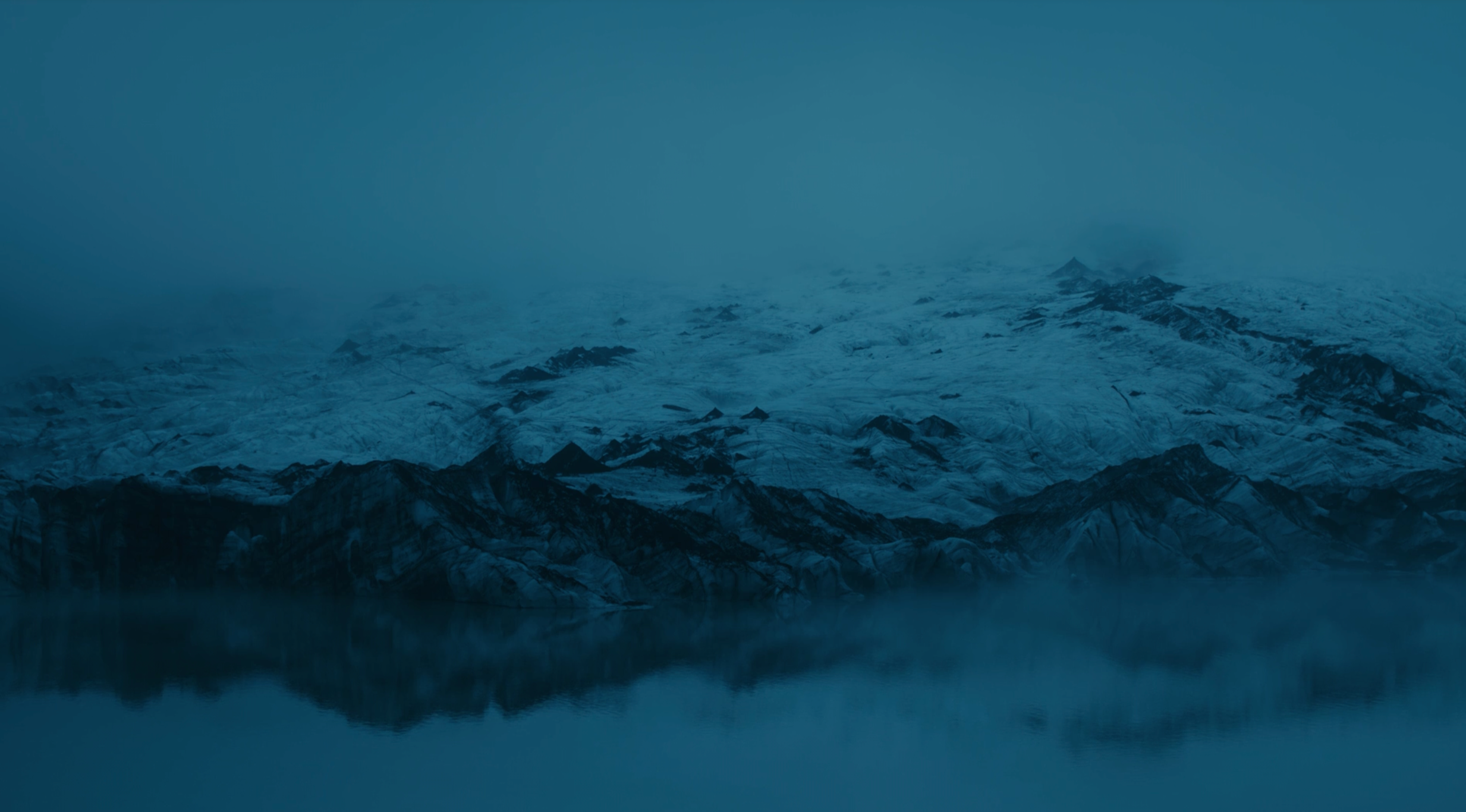
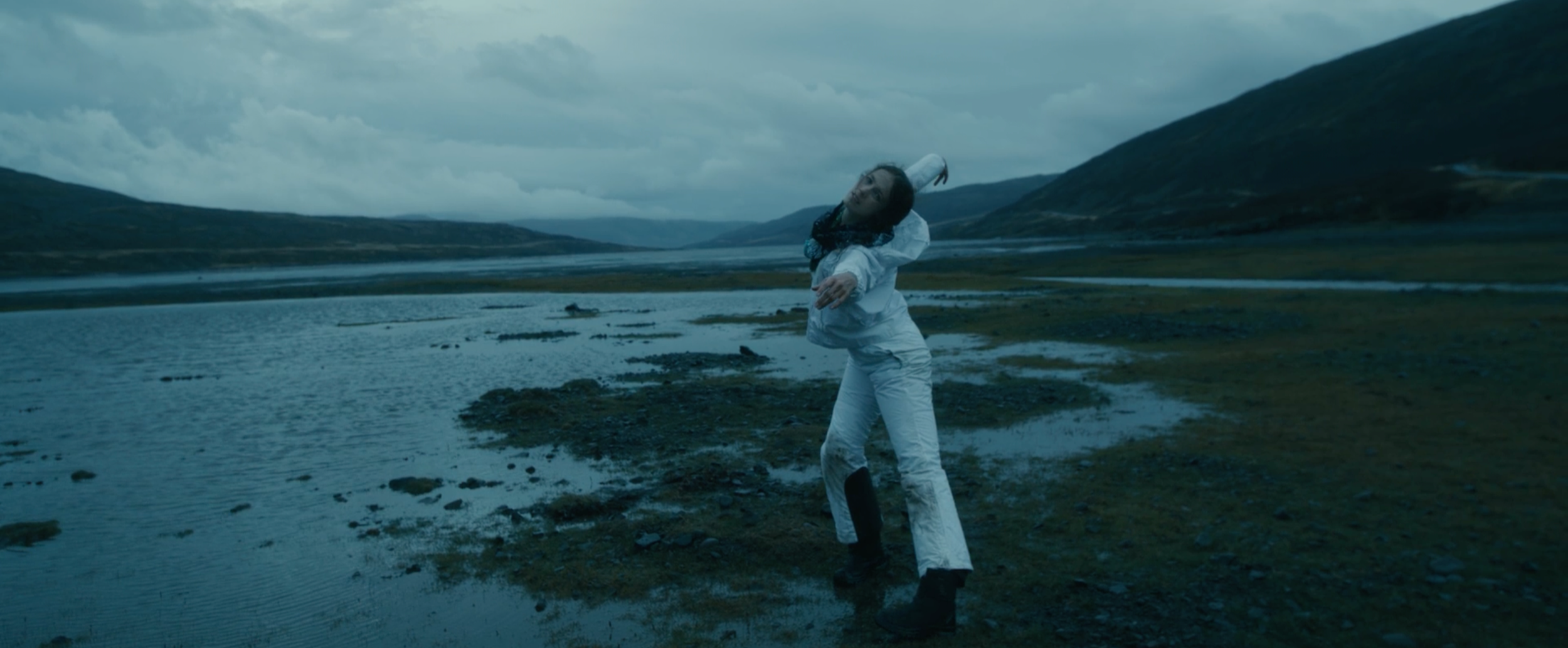
a blue moment is a 16-minute multimedia installation that traces a journey through an Arctic ‘blue moment’ – the brief spell in between long hours of Polar Night darkness when the sun lingers just below the horizon and washes the landscape in deep, resonant blues.
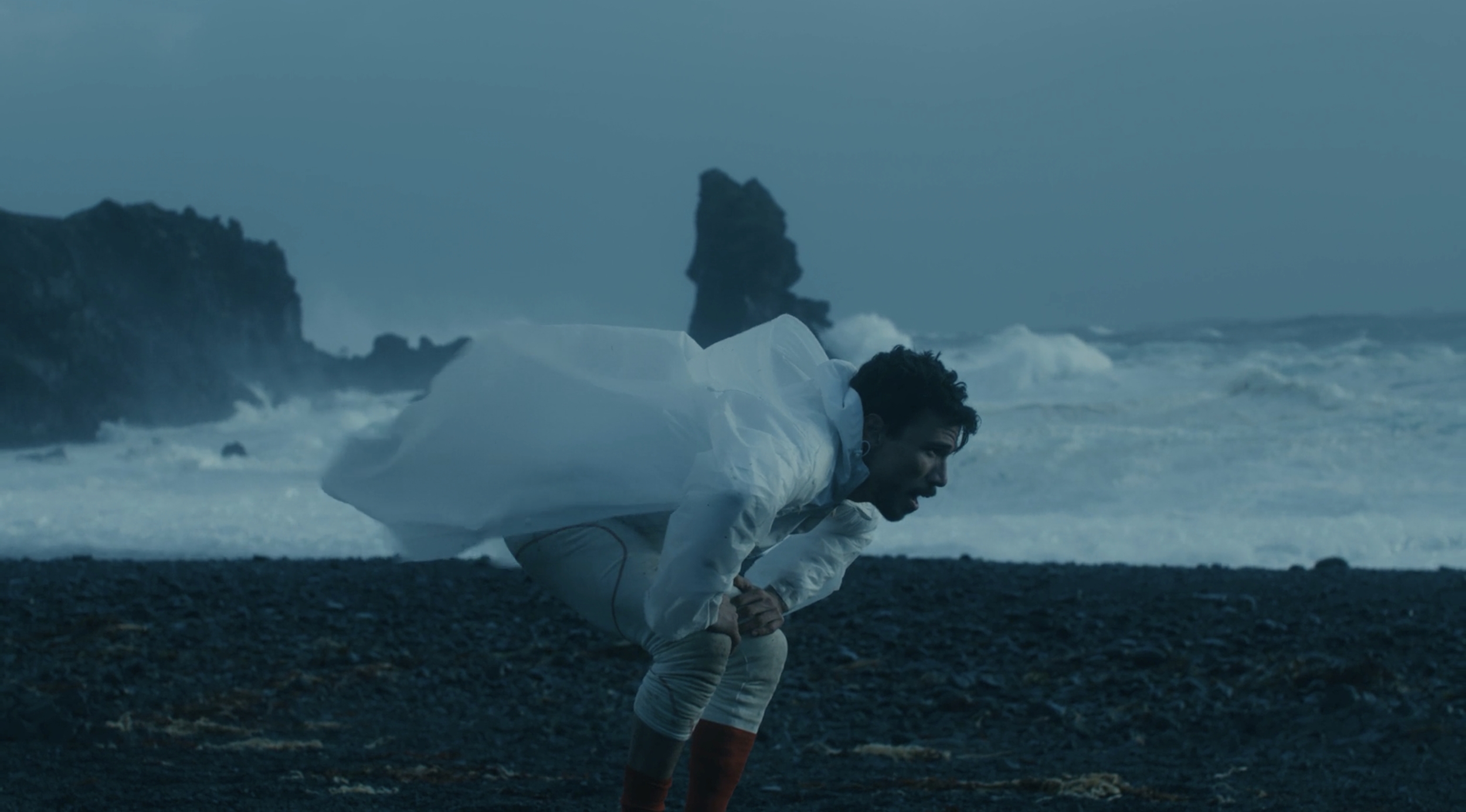
From 2016-2025, director Alyssa Martens embedded herself across high-Arctic regions, including Svalbard, Norway, Finland, Sweden, and Canada, attending the largest annual gathering of Arctic scientists and consulting subject specialists to uncover the fragile story of an Arctic facing ecological loss and damage. a blue moment is a translation of Martens’ research into an immersive and poetic narrative, captured by cinematographer Max Machado within Iceland’s first UNESCO Biosphere Reserve, the Snæfellsnes Peninsula. Under the art and movement direction of Damian Siqueiros, dancers Íris Ásmundar, Sally Cowdin and Alejandro Bencomo vivify the experiences of soil, water, and sky—interpreting these elemental forces in intimate ways. The enveloping, sonic atmosphere was composed by Bernardo Alvarado Rojas and features poetic voice-overs by Rachel August, Liv Elísabet, and Alyssa Martens.
Creative Team
Director & Writer: Alyssa Martens
Art & Movement Director: Damian Siqueiros
DOP & Colourist: Max Machado
Sound Composer & Field Recordist: Bernardo Alvarado Rojas
Film Editor: Ashley Gilmour
Dancers & Co-Choreographers: Íris Ásmundar, Alejandro Bencomo and Sally Cowdin
Voices: Rachel August, Liv Elísabet, and Alyssa Martens
Location Scout & Aerial Videographer: Phil Garcia
Creative Accessibility Consultant: Kay Slater
Project Goals
To craft a multimedia installation with a non-linear narrative and aesthetic in line with arts-based research conducted with scientists and Indigenous knowledge keepers
To honour the Arctic’s deep ecological and cultural history by consulting and creating with Indigenous knowledge keepers, local artists and technicians
To present scientific narratives in a way that connects to the wider public in somatic and empathic ways
To embrace a multiplicity of artistic disciplines and their interrelations, including film, dance, spoken word poetry, field recordings, spatial sound, and design
To centre collective care at all stages of the project – from ethical contracting, alignment with the Social Model of Disability, careful risk management within extreme weather conditions, and supporting inclusive spaces for collaborator participation
To integrate sustainable creation methodologies across all aspects of the project, including a low-impact approach to filmmaking, especially within ecologically protected sites
Process & Approach
Research and Consultation
During the research phase of a blue moment, Alyssa Martens consulted Indigenous knowledge keepers and senior scientists from the University of Tromsø (Norway), Yukon University (Canada), and Carleton University (Canada) to inform the development of her poetry, texts which now form the basis of this forthcoming installation, with special thanks to:
Kim Holmén – Arctic Climatologist (Climate and Environment)
Christopher Burns – Arctic Geographer (Permafrost and Ground Ice)
Gregory Hare – Independent Researcher (Glacial Archaeology)
Jenni Laiti – Sámi Artivist & Duojár
Niillas Holmberg – Sámi Poet & Musician
As part of her artistic research, she also attended the 2023 Polar Night Week Conference (Svalbard, Norway), the largest annual gathering of Arctic scientists and scholars, in order to gain a deeper understanding of site-specific topics relating to the climate crisis in the Arctic. These partnerships and consultations allowed for improved scientific accuracy and communication through the artistic creation process.
This period brought many key themes to the surface, including concepts like solastalgia, cultural memory, land memory, loss and damage, non-linearity, oneiric landscapes, deep time, and silence. These motifs form the basis of a blue moment – integrated within the direction of the film, its aesthetic qualities, the somatic embodiment of the dancers, and the textures within the poetic script.
Care at the Heart of Artistic Creation
Collective Care – Collaborative Practices and Care Frameworks
Across our recent projects, we have continued to refine a collaborative methodology grounded in diversity, reciprocity, and care. Central to these conversations has been an exploration of how varied identities, lived experiences, and artistic lineages shape the collective field of creation. Rather than focusing solely on numerical representation, we emphasize the integration of qualitative perspectives—how each collaborator’s background inflects the work and expands its interpretive possibilities.
Parallel to this, an ongoing shared practice of ours is removing ego from the creative process—cultivating an environment where trust, circularity, and mutual interdependence guide decision-making. Our work together in Iceland, and throughout the filming of a blue moment, reaffirmed the importance of empathy and open communication, qualities that allowed us to move fluidly between individual input and shared authorship.
These conversations naturally extended into questions of care and well-being. We considered the need for care well before production, grounded in an understanding of each participant’s physical, emotional, and logistical needs. Alyssa’s experience navigating illness during the early days of filming underscored the importance of immediate support, while the dancers’ resilience in challenging conditions highlighted the necessity of environmentally conscious costume design and safe working conditions.
A significant focus was placed on emotional care within movement-based practices. We recognized the layered trust that forms between performers and crew members, especially in moments of heightened vulnerability. We emphasized practices of consent, emotional release, and structured follow-ups to ensure that performers and collaborators continued to access support once the project concluded.
This project was also served by the integration of Creative Access Consultant Kay Slater, who specialises in advocacy for non-visual, non-auditory and neurodiverse audiences as well as mobility-device users. They provided insights into inclusive practices – both during production and that are informing the development of the public-facing elements of this project (i.e. forthcoming multimedia installations and related public programming).
Collectively, these reflections map an evolving constellation of themes—interdependence, accessibility, psychological safety, and the ethics of shared creation. They now form an integral foundation for how we approach future projects, shaping not only our artistic methodologies but also our commitments to care-led, inclusive, and holistically supported creative environments.
Ecological Care – Respecting and Collaborating with Land
During the development of our Iceland-based project, we engaged in an ongoing dialogue about sustainability, drawing on local knowledge and environmentally attuned workflows to guide each stage of production. Central to this process was our decision to hire Icelandic crew members and to collaborate with regional conservation specialists, whose expertise informed both the ecological sensitivity of our approach and our navigation of the unique landscapes of Snæfellsnes National Park. Our low-impact presence in the park was supported by a deliberate reduction in vehicular travel and a commitment to working within close proximity to our base.
Damian and Alyssa examined the broader ecological implications of the artistic work, foregrounding the need to balance environmental disturbance with forms of positive contribution—raising awareness, amplifying conservation efforts, and cultivating reciprocal relationships with place. This ethos was reflected in reuse of materials, including field recordings and research artifacts, which were reinterpreted across multiple projects as part of an evolving, sustainability-centered methodology.
The fieldwork in Iceland was enriched by the presence of Phil Garcia, a local expert whose guidance ensured sensitive site selection and safe navigation of the region’s ecologically protected environments. Through these collaborations and reflective practices, a constellation of themes emerged: ecological stewardship, interdependence, land-based knowledge, resilience, and the subtle imprint of human presence within vulnerable environments.
Further, two team members, Bernardo and Damian, reflected on their personal practices of “thanking the land,” an Indigenous-informed gesture that deepened their relationship to the terrain and shaped our creative decision-making.
Limitations
Ecological Footprint
One area we identified for further refinement was food-related waste, particularly in relation to packaging. We noted the need to transition toward compostable materials or more durable alternatives in future projects. While the project inevitably carried an environmental footprint, especially through travel, these effects were consciously offset through the hiring of local dancers and a local Location Scout & Aerial Videographer, and consolidation of filming locations.
Communication and Task Distribution
Damian and Alyssa reflected on some communication challenges during the project, acknowledging gaps in information sharing and the need for clearer expression of needs, particularly among neurodivergent team members. Damian highlighted his efforts to alleviate Alyssa's workload by handling logistical tasks, while Alyssa recognized the absence of a production assistant as a key learning point, noting that future projects would benefit from distributing responsibilities more effectively. Both agreed that despite some missteps, the project was successful, with the team adapting quickly to challenges and leveraging individual strengths.